
Stop Water from Sitting Where It Shouldn't
Drainage Solutions in Lakeland for yards that flood after heavy rain or hold standing water near the foundation
Apex Outdoor Works LLC installs drainage systems that redirect water away from your home and usable yard areas when standing water becomes a recurring problem after storms. You need this service when runoff collects along your foundation, floods low spots in the yard, or turns sections of your property into mud. The work involves cutting swales or installing French drains that move water toward safe exit points and keep it from pooling where it causes damage or limits how you use the land.
Heavy rainfall in this region often overwhelms natural drainage, especially on properties with clay-heavy soil or minimal grade. Water that sits for hours or days weakens foundations, kills grass, and attracts mosquitoes. A properly installed drainage system changes the flow pattern so water moves through rather than collecting, and you notice drier ground within hours of a storm instead of days.
If your yard floods predictably or water edges toward the house during rain, scheduling a site evaluation helps identify the grade issues and exit routes before the next heavy season arrives.
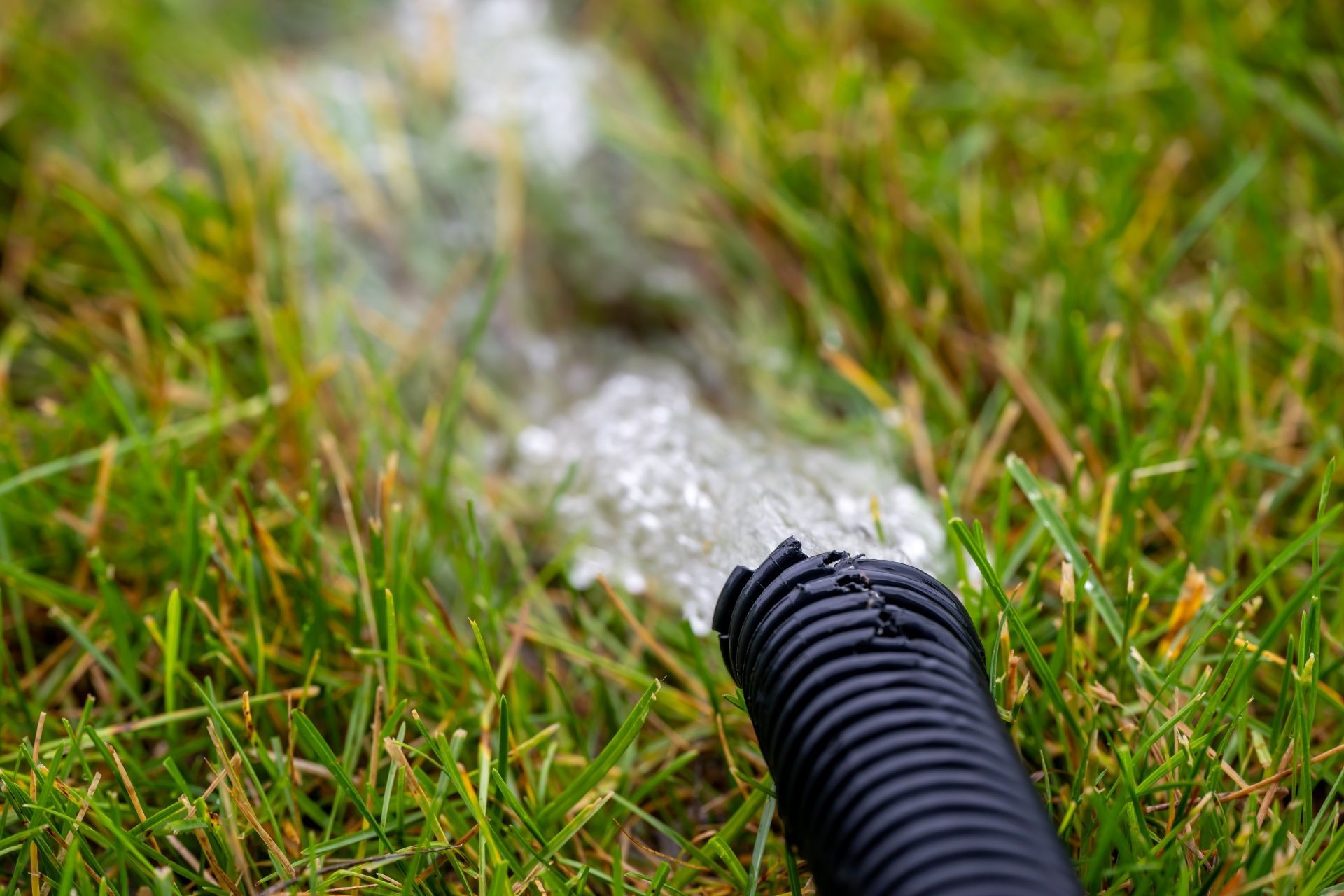
How Swales and French Drains Work Together
The crew grades shallow channels called swales to guide surface water downhill, or digs trenches for French drains when subsurface flow needs control. You will see equipment on site to cut precise slopes, place perforated pipe wrapped in fabric, and backfill with gravel that allows water to enter while filtering out sediment. The system is designed to handle peak flow during storms without washing out or clogging within the first few seasons.
After installation, you walk your property and notice that low areas dry faster, grass grows back where it previously drowned, and the soil near your foundation stays firm instead of saturated. Apex Outdoor Works LLC tests the grade before backfilling to confirm water moves in the intended direction and exits where it will not create new problems downstream or on neighboring land.
Some projects combine drainage with grading when the existing slope works against natural flow, and others add catch basins at collection points. The service does not include underground utility location or permitting coordination, which remains the property owner's responsibility where local regulations require review before earthwork begins.
What You Should Know Before Installation
Drainage work raises practical questions about timing, materials, and long-term performance, especially when you are managing a property that has flooded more than once.
How long does a French drain last before it clogs?
Most systems installed with proper fabric and gravel filtration remain functional for ten to fifteen years before sediment buildup requires cleaning, and you extend that lifespan by keeping topsoil and mulch from washing into inlet points.
What happens if the outlet point also floods?
The system is designed to move water to a lower area or storm drain, and if that exit route also holds water, the crew may need to extend the line further or add a secondary swale to reach a viable discharge location.
When is the best time to install drainage in Lakeland?
Installation works best during dry months when the ground is firm and equipment can move without rutting the yard, though emergency repairs after storm damage can proceed in wetter conditions if access allows.
Why does grading sometimes happen before drainage?
Correcting the overall slope ensures water flows toward the drain rather than around it, and combining both services in one visit reduces the number of times equipment crosses finished areas of the property.
What materials go into a typical French drain?
The trench contains perforated pipe surrounded by washed gravel and landscape fabric that filters water while blocking soil particles, and the surface is restored with sod or topsoil depending on the property's use.
Apex Outdoor Works LLC handles drainage projects that protect your foundation and restore usable yard space, and the work begins with a site visit to map the flow and confirm the exit strategy. Reach out to discuss your property's water issues and review options that match your layout and budget.